
A Career Built on Standing Up for People Facing Powerful Institutions
Keith Wilson, K.C. is a prominent Alberta lawyer, advocate, speaker and legal innovator whose career has placed him at the centre of some of the province's most complex disputes involving government, land, energy, agriculture, the environment, public-health emergencies, constitutional rights and individual freedom.
Over more than three decades in law, Keith has built a distinctive practice representing individuals, families, farmers, ranchers, landowners, businesses and industry organizations when they are confronted by powerful governments, regulators, major corporations or extraordinary circumstances. He is the founder of Wilson Law Office in St. Albert, Alberta.
Keith's experience extends well beyond the courtroom. He has advised clients through major regulatory disputes, environmental contamination, expropriation and compensation cases, agricultural emergencies, energy-development conflicts and nationally significant constitutional events. On several occasions, his work has placed him directly inside rapidly developing crises attracting national or international attention, including the 2003 BSE crisis, the 2009 H1N1 swine influenza outbreak, and the events surrounding the 2022 Freedom Convoy and invocation of the Emergencies Act.
That combination of legal experience, practical problem-solving and crisis management is unusual. It has also shaped Keith's approach to practising law: understand the facts, master the regulatory environment, challenge institutional assumptions where necessary, and never lose sight of the individual or family whose livelihood, property or freedom is actually at stake.
1987 to 1995
Alberta Roots, Political Science and Law
Keith studied political science at the University of Alberta, earning his Bachelor of Arts before attending the University of Alberta Faculty of Law. He received his law degree in 1994 and was admitted to the Law Society of Alberta in 1995. His interest in the relationship between citizens and government began long before many of the public controversies for which he later became known.
Political science and law exposed him to fundamental questions about constitutional government, federalism, administrative power, property rights, government accountability and the limits that should exist on the exercise of state authority. Those questions would ultimately become recurring themes throughout his career.
Keith began his legal career with the Alberta Government’s Farmers' Advocate’s Office in 1987. It was an ideal starting point for the practice he would eventually build. Working within government at a Ministerial level while assisting farmers and ranchers gave him first-hand insight into both sides of the regulatory relationship: how government bureaucracies operate and how their decisions affect the people who must live with them.
That experience developed into a sophisticated practice in agricultural law, environmental regulation, surface rights, energy development, land-use regulation, compensation and constitutional law.
Building a Career in Agricultural and Livestock Law
Agriculture was one of the foundations of Keith's legal career. He represented farmers, ranchers, livestock producers, agricultural organizations and industry participants on matters involving government regulation, environmental compliance, animal health, livestock identification, compensation, commercial transactions and property rights.
He became a frequent speaker to agricultural organizations and professional groups and developed particular experience in the increasingly complex regulatory environment surrounding modern food and livestock production. This work provided Keith with more than subject-matter expertise. It gave him decades of experience representing families whose farm or ranch is not simply a business asset, but their home, livelihood and often the product of generations of work.
That perspective has remained central to his practice.
2003
The 2003 BSE Crisis
Working Inside a National Agricultural Emergency
In May 2003, the discovery of bovine spongiform encephalopathy (BSE or "mad cow disease") in Alberta triggered one of the most serious agricultural crises in Canadian history. International borders rapidly closed to Canadian cattle and beef. The consequences for Alberta cattle producers were immediate and devastating.
Keith was directly involved in the response. At the time, he served as legal counsel to Livestock Identification Services Ltd. (LIS) and worked closely with organizations involved in Alberta's cattle industry. Livestock records became critically important as officials attempted to trace the history of the infected animal and determine where potentially connected cattle had moved.
Keith became involved in the enormous trace-back and trace-out undertaking that followed. The work brought him into direct contact with government emergency-response systems and the complicated intersection of science, agriculture, international trade, regulation, compensation and public confidence. The crisis was moving quickly. Decisions being made by governments in Canada and abroad could have enormous consequences for thousands of producers almost immediately.
Keith's involvement gave him first-hand experience working in precisely the kind of environment in which conventional decision-making gives way to crisis management, where governments are under enormous pressure, information is developing rapidly, experts may disagree, media attention is intense and clients still need clear, practical advice.
He also became involved in the policy response to the crisis and spoke publicly about the steps required to help Alberta's cattle industry recover. It was an experience that would prove important again only a few years later.
2006
Helping Modernize Alberta's Livestock Laws
Keith's work in agriculture also extended to legislative reform. He participated in work associated with the modernization of Alberta's livestock legislation, which ultimately included the Livestock Identification and Commerce Act, enacted in 2006. The legislation modernized and consolidated rules dealing with livestock identification, brands, manifests, bills of sale, evidence of ownership, livestock transactions and security interests.
The work reflected Keith's practical approach to legislative policy: good regulation should protect legitimate public interests without becoming disconnected from the practical realities faced by the people expected to comply with it.
2009
The 2009 H1N1 Swine Flu Crisis
Law, Public Health and Zoonotic Disease
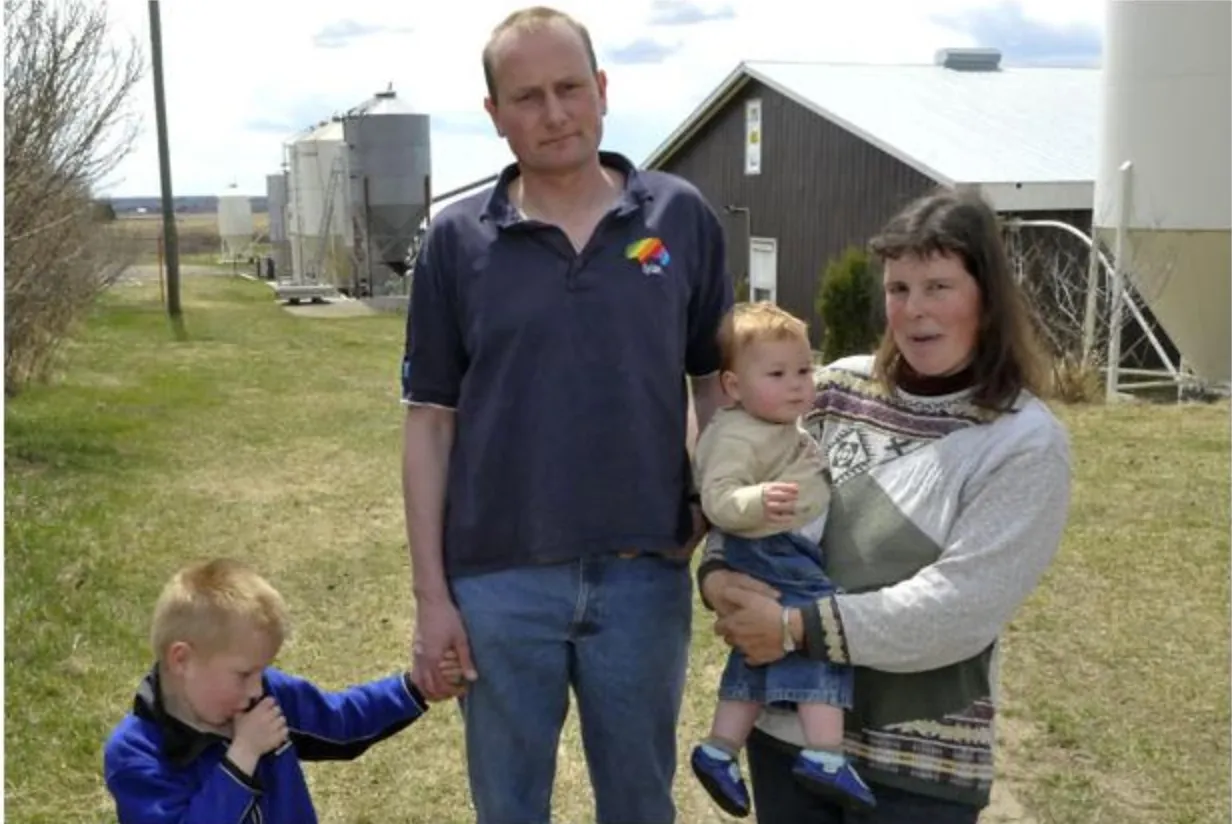
In 2009, Keith found himself involved in another extraordinary health and agricultural emergency. This time, the issue was pandemic H1N1 influenza, commonly referred to at the time as "swine flu." Keith represented the Alberta farm family whose hog operation became the focus of an internationally significant investigation into the cross-species transmission of the H1N1 virus between humans and pigs.
The family's farm was placed under government quarantine. Suddenly, an ordinary Alberta farm family found itself at the centre of an extraordinary convergence of human health, animal health, epidemiology, agriculture, government regulation and worldwide media attention. This was not a conventional legal dispute.
Governments and health authorities were trying to understand a newly emerging pandemic virus in real time. Public-health officials, veterinarians, scientists, agricultural regulators and industry organizations were all involved. At the same time, Keith's clients were dealing with the very real consequences of quarantine: they could not operate their farm normally, could not freely market their animals, faced growing animal-welfare and overcrowding problems, suffered mounting financial losses and suddenly found their family business associated in the public imagination with a frightening new international disease.
The legal role therefore required far more than interpreting statutes. Keith had to help a farm family navigate overlapping federal and provincial authorities, animal-health restrictions, scientific uncertainty, public-health considerations, government decision-making, compensation issues, intense news-media attention and the economic survival of their operation.
Ultimately, the farmer made the difficult decision to depopulate the herd and later rebuild the operation. For Keith, the H1N1 case became another formative professional experience in crisis management. Only six years after BSE, he had now been directly involved in two major health-related emergencies with international implications.
The BSE and H1N1 experiences gave Keith an unusually practical understanding of what happens when governments invoke extraordinary regulatory powers in response to perceived health threats, and of the enormous consequences those decisions can have for individuals, families and businesses. They also taught him the importance of distinguishing between legitimate emergency action, scientific evidence, institutional caution and unnecessary government overreach.
Those lessons would have renewed significance years later during the COVID-19 pandemic and the national debates that followed over emergency powers, mandates and civil liberties.
- 4 stories in the media: National Post, Financial Post, Calgary Herald
2009 to 2012
Becoming a Leading Voice on Property Rights

Property rights became another defining part of Keith's career. As Alberta introduced increasingly expansive land-use and energy legislation, Keith emerged as a prominent advocate for landowners concerned about the growing power of government. He represented people directly affected by those laws while also speaking publicly about their broader implications.
Keith travelled throughout Alberta explaining proposed legislation to landowners and agricultural communities and became a prominent participant in the provincial debate over property rights. His concern was not theoretical. Government legislation could affect the value of someone's land, restrict what an owner could do with it, facilitate major infrastructure across private property or alter traditional rights and remedies.
Keith argued forcefully that economic development and responsible government planning do not require abandoning fundamental protections for private property. The issue became one of the most publicly visible chapters of his career and helped establish Keith as a lawyer willing to challenge government policy publicly as well as in legal proceedings.
- 3 stories in the media: Calgary Herald, Globe and Mail, The Tyee
Expropriation, Transmission Lines and Major Infrastructure
Keith has developed extensive experience representing landowners and businesses affected by transmission lines, pipelines and other major infrastructure. These cases can involve far more than the value of the strip of land physically occupied by a project. Infrastructure can affect agricultural operations, future development, access, business operations, gravel and mineral resources and the overall value and utility of a property.
Keith has represented clients in complex compensation proceedings involving expropriation principles, injurious affection, business losses, rights-of-way and the long-term economic impact of infrastructure on private property. His approach has consistently been that when society requires private citizens to bear a disproportionate burden for a public or regulated project, those citizens are entitled to have the full effect on their property and livelihood properly recognized.
Oil and Gas, Surface Rights and Environmental Law
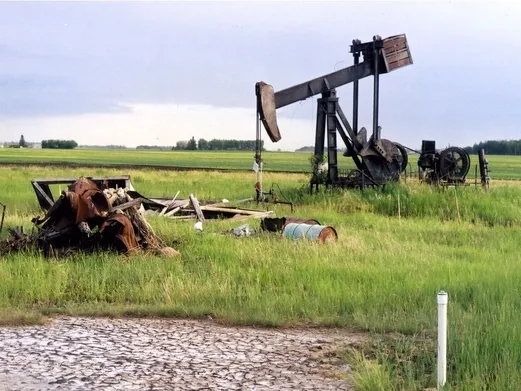
Alberta's energy industry has produced enormous prosperity, but development can also create difficult consequences for the people living and operating businesses beside industrial activities. Keith has spent a substantial part of his career dealing with that intersection. He has represented farmers, ranchers, landowners and businesses in disputes involving oil and gas development, surface rights, unpaid rentals, contamination, reclamation, remediation, abandoned facilities and compensation.
His practice has required him to master the complicated overlap between property law, environmental science, energy regulation, administrative law and compensation. Keith has appeared before the Alberta Energy Regulator, Alberta Utilities Commission, Natural Resources Conservation Board, Land and Property Rights Tribunal, Environmental Appeals Board, municipal authorities and Alberta courts, as well as before courts outside Alberta and the Federal Court of Canada.
That breadth of experience allows him to understand not simply what the written law says, but how regulatory institutions actually operate.
2012 to 2014
The Peace River Odour and Emissions Cases
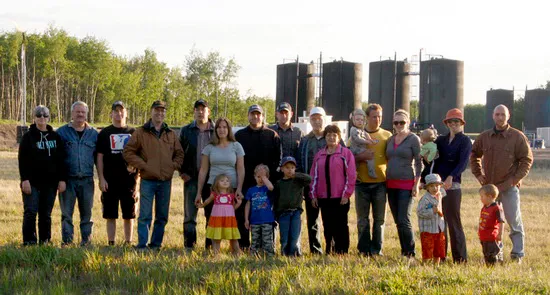
Keith represented families in the Peace River region who raised serious concerns about odours and air emissions associated with heavy-oil operations near their homes. Their experience became part of an important Alberta debate about whether energy regulation was adequately protecting people who lived beside industrial facilities.
Keith advocated for residents as the regulator examined complaints involving emissions from energy operations. The proceedings helped focus public attention on an issue that is central to responsible resource development: Alberta can develop its resources while still requiring companies and regulators to respect the health, homes and property of neighbouring families.
For Keith, the issue reflected a principle he has pursued repeatedly throughout his career: economic development and individual rights do not have to be competing objectives if the regulatory system works properly.
- 7 stories in the media: Calgary Herald, Globe and Mail, Edmonton Journal, CBC, CTV News, Global News
2016/17
Contaminated Land and Protecting Family Farms

Keith has also represented families whose land and groundwater have been contaminated by industrial operations. These cases can be enormously difficult. The damage may have accumulated over decades. The responsible corporate entities may have changed. Environmental science can be complex. Cleanup can take many years, and regulatory agencies may initially be reluctant to require the remedies that affected families believe are necessary.
Keith has pursued these cases aggressively, including seeking regulatory orders requiring companies to provide replacement water and address contamination affecting agricultural operations. For a farm family, contaminated land is not simply an environmental file. It can threaten the family's drinking water, livestock, business, property value and ability to pass a viable operation to the next generation.
That is why Keith has consistently approached such cases from both a legal and human perspective.
- 5 stories in the media: Global News, 680 News, Globe and Mail, CBC
2017 to 2019
Orphan Wells and Legacy Energy Liabilities

Long before Alberta's orphan-well problem became a major public-policy issue, Keith was representing landowners dealing with abandoned energy infrastructure and insolvent operators. He saw first-hand what happens when an energy company disappears but its wells, facilities and environmental liabilities do not.
Keith became an important public voice on the growing problem of inactive and orphan oil and gas infrastructure and the danger that cleanup obligations could ultimately fall on innocent landowners, responsible industry participants or taxpayers. His work and commentary attracted national attention through newspapers, television and business media.
The issue eventually became one of the most significant environmental and financial challenges confronting Alberta's energy regulatory system.
- 20 stories in the media: BNN Bloomberg, Global News, CBC News, Alberta Institute of Agrologists, The Globe and Mail, QR770, Danielle Smith Show, Financial Post, The Western Producer, Calgary Herald, Calgary Sun, CTV W5, Globe and Mail, Government of Alberta
The Redwater Case
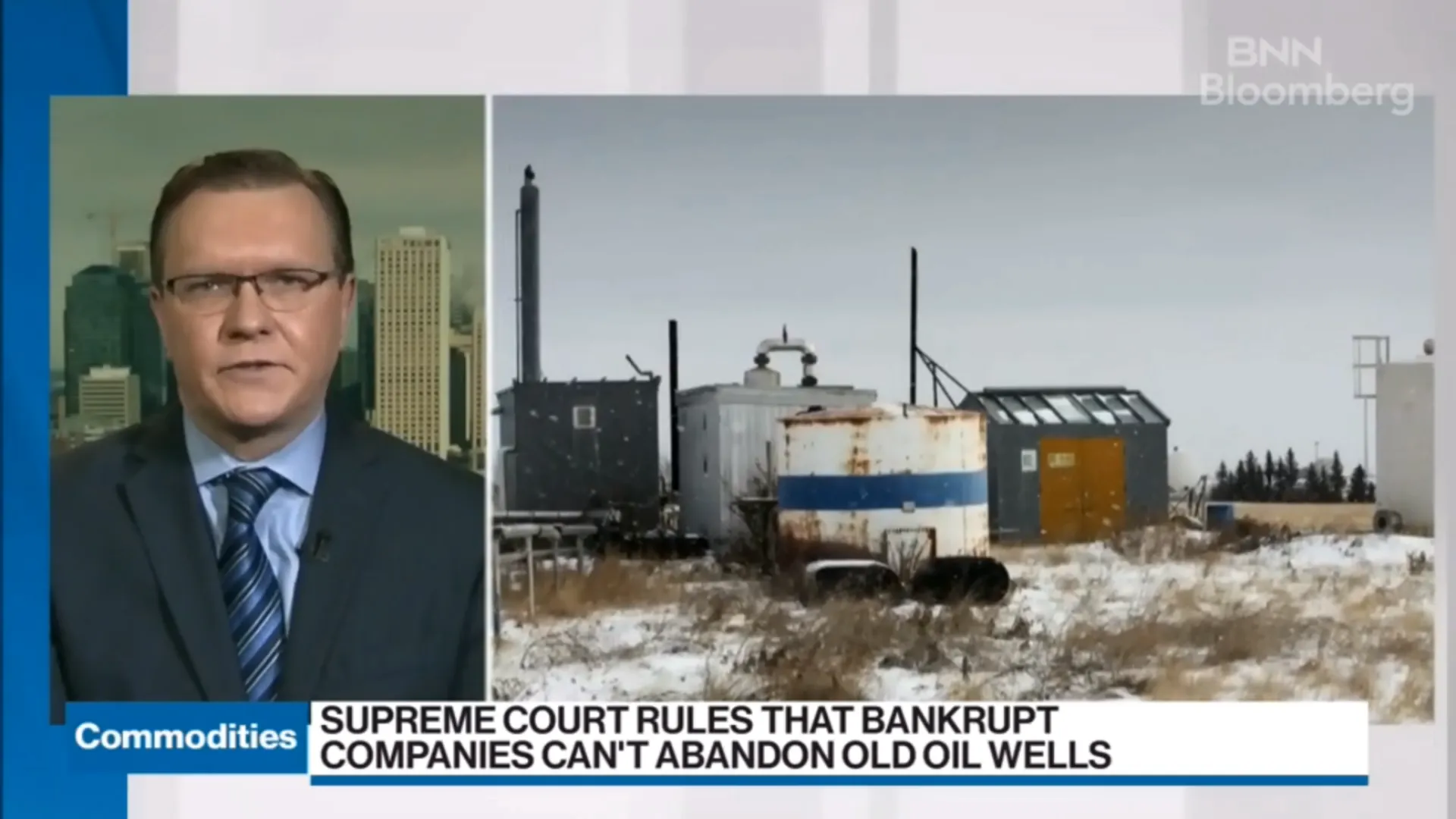
These questions reached the Supreme Court of Canada through the litigation involving Redwater Energy Corporation. The Redwater case examined the difficult interaction between federal insolvency law and Alberta's environmental abandonment and reclamation obligations. Keith became a public commentator on the case and its implications.
The litigation involved precisely the kind of competing legal and policy interests that have characterized much of his career: environmental responsibility, creditor rights, regulatory authority, private property, insolvency and the long-term consequences of resource development.
- 5 stories in the media: BNN Bloomberg, CBC News, Calgary Herald, Financial Post, The Tyee
Lawyer and Educator
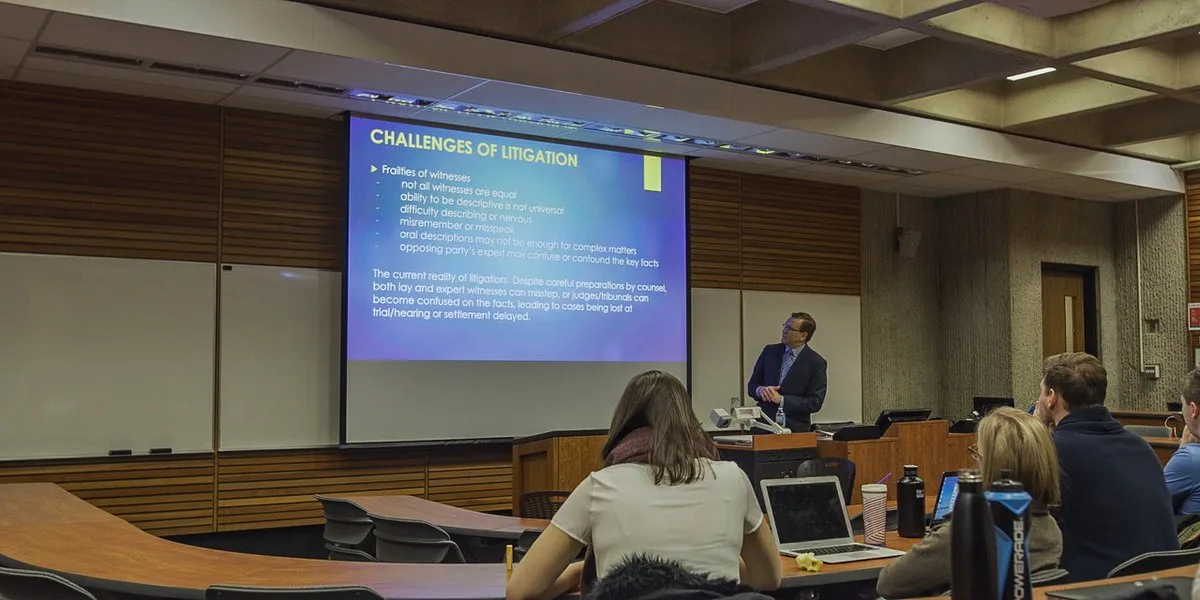
Keith has not limited his professional contribution to representing clients. Throughout his career, he has written, taught and spoken extensively to lawyers, agricultural organizations, landowners and industry professionals. He has prepared papers and served as faculty for the Legal Education Society of Alberta (LESA) and has presented at conferences involving expropriation, agriculture, petroleum land, environmental regulation, water, surface rights, professional liability and property rights.
His audiences have included lawyers, farmers, ranchers, professional agrologists, petroleum land professionals, regulators and businesspeople. He has spoken at events throughout Alberta and elsewhere in Canada, including national property-rights conferences and professional conferences such as those of the Canadian Association of Petroleum Landmen.
Keith has always believed that a lawyer's role includes helping people understand the law rather than merely invoking it on their behalf.
- Speaking engagements: 2001 to 2019
Legal Technology and Innovation
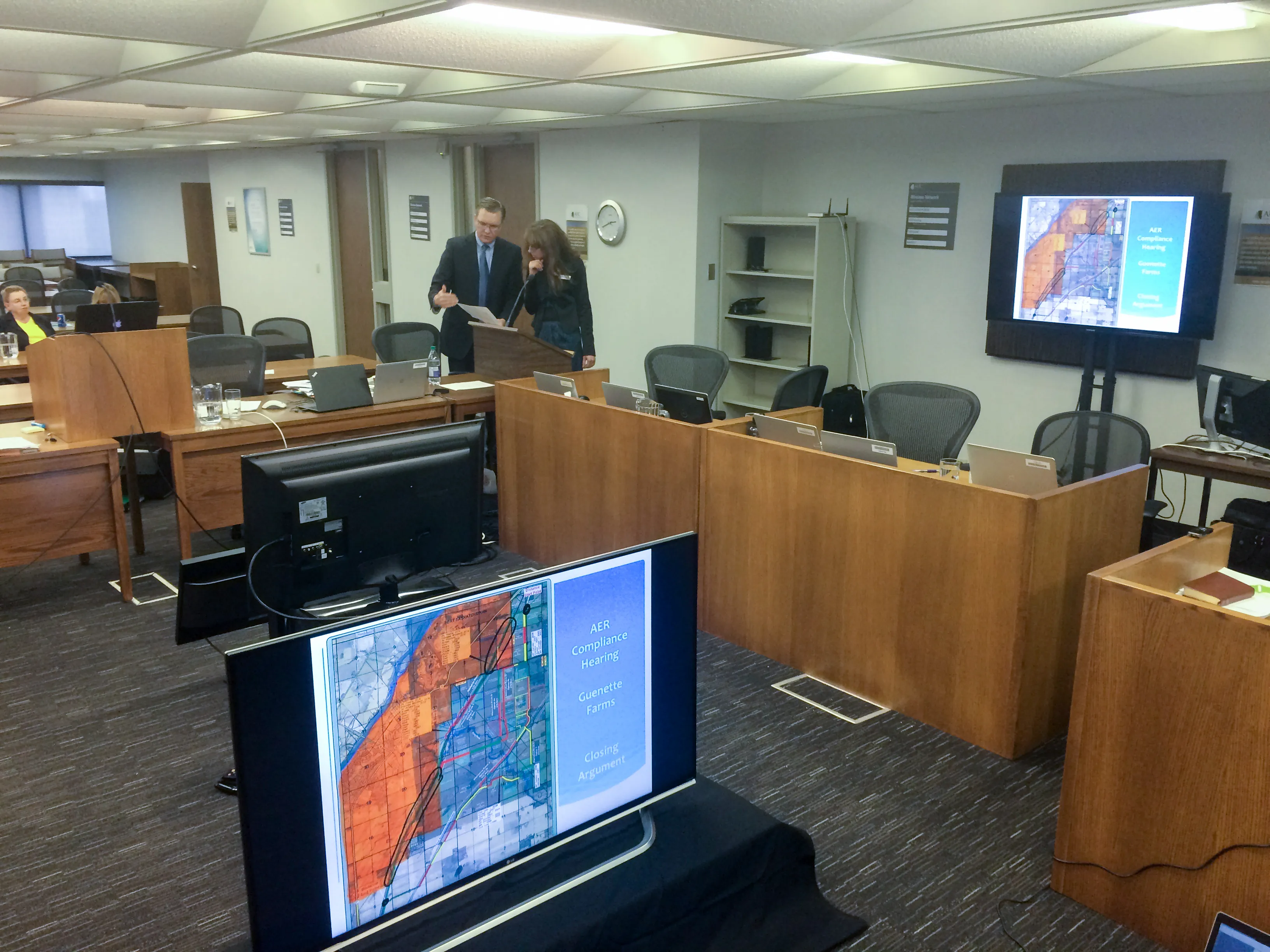
Keith was also an early advocate for bringing modern technology into legal practice. He founded Veritas Litigation Support, providing lawyers and expert witnesses with digital presentation, visual-evidence and later drone-based technology for litigation and regulatory proceedings. He has chaired and participated in continuing legal education dealing with legal technology and has consistently sought new ways to communicate complicated evidence more effectively.
This interest reflects another recurring feature of Keith's career: he has generally been willing to challenge conventional approaches when better tools or methods are available.
2022
Freedom Convoy and the Emergencies Act
In early 2022, Keith's career unexpectedly placed him at the centre of one of the most consequential constitutional controversies in modern Canada. He travelled to Ottawa and became legal counsel to participants and organizers associated with the Freedom Convoy. What began as a protest over government COVID policies rapidly became a national political and constitutional crisis.
Keith worked in an extraordinarily fast-moving environment involving protest organizers, police, municipal officials, political representatives, lawyers and members of the public. He became involved in efforts to establish lines of communication and negotiate practical solutions as tensions in Ottawa increased.
Then, on February 14, 2022, the federal government invoked the Emergencies Act for the first time since the legislation had been enacted. The government's use of extraordinary emergency powers, including powers affecting protesters' finances and civil liberties, transformed the controversy into a national debate over the limits of government authority.
For Keith, there was an important continuity with his earlier career. He had already been inside major emergency-response environments during the BSE and H1N1 crises. He understood how rapidly institutions can shift into crisis mode, how information can become incomplete or distorted, and how consequential decisions can be made under intense pressure.
But Ottawa added another dimension: the direct exercise of extraordinary state power against citizens engaged in political protest. Keith later testified extensively before the Public Order Emergency Commission, the public inquiry examining the federal government's invocation of the Emergencies Act. His testimony provided an important first-hand account of events within the convoy leadership and of attempts to communicate and negotiate with authorities.
The experience significantly increased Keith's national profile and reinforced his commitment to constitutional limits, due process and civil liberties.
Constitutional Law and Alberta's Future

In the years that followed, Keith became increasingly involved in another major constitutional question: Alberta's relationship with Canada and whether the existing structure of Confederation continues to serve Albertans' interests. Keith approaches the issue first as a constitutional lawyer. He has argued that Alberta's challenges cannot be understood solely as a disagreement with whichever political party happens to govern in Ottawa.
Many arise from the underlying structure of Canadian federalism, including representation, taxation, equalization, natural-resource jurisdiction and the federal government's ability to impose policies having disproportionate consequences for Alberta. His advocacy has focused on the right of Albertans to examine those structural questions openly and make democratic choices about their future.
Central to Keith's position is that any movement toward Alberta independence must proceed peacefully, democratically, legally and constitutionally. He has frequently explained the significance of the Supreme Court of Canada's landmark 1998 decision in the Reference re Secession of Quebec, including the Court's conclusion that a clear democratic expression in favour of secession would create a constitutional obligation on the participants in Confederation to negotiate.
Keith has worked to bring that complicated constitutional law out of legal textbooks and into a form ordinary Albertans can understand.
- 1 story in the media: Fox News
2026
Let Alberta Decide
In 2026, Keith and Tanya Clemens became Co-Leads of Let Alberta Decide, a registered third-party advertiser participating in Alberta's referendum campaign. Keith has travelled throughout Alberta speaking at community meetings, town halls, debates and media events about the constitutional, economic and practical questions surrounding Alberta's future.
His approach has emphasized informed democratic decision-making. He has repeatedly stressed that the October 19, 2026 referendum is not itself a declaration of independence. Rather, he has described Option 2 as beginning a lawful process through which Albertans can obtain more information, negotiate, debate the issues and ultimately make the final decision themselves in a subsequent binding referendum.
Alberta Transition Council
Keith also became a Co-Chair of the Alberta Transition Council. The Council was created to move the independence debate beyond slogans by examining what an actual transition would require. Experts have examined issues including taxation, pensions, government institutions, federal programs, trade, currency, treaty and Indigenous relationships, constitutional negotiations and the continuation or replacement of federal services.
Keith's involvement reflects a principle that has guided much of his legal career: important decisions should be based on facts, careful analysis and a realistic understanding of how institutions actually function.
Recognized Professional Achievement
King's Counsel
Keith's contributions to the legal profession have been recognized through his appointment as King's Counsel (K.C.). The designation recognizes senior lawyers whose careers demonstrate significant professional achievement, leadership and contribution to the administration of justice and the legal profession.
For Keith, the designation reflects a career extending well beyond a conventional private legal practice. He has represented individual families and major organizations, appeared before courts and regulatory tribunals, contributed to legislative and policy development, taught other professionals, pioneered legal technology, participated in major national public controversies and helped ordinary citizens understand complicated issues of law and government.
A Career Built on Standing Up for People Facing Powerful Institutions
There is a consistent thread running through Keith Wilson's career.
- A cattle industry confronting an international BSE emergency.
- A farm family suddenly placed at the centre of an H1N1 pandemic investigation.
- A landowner confronting government land-use legislation.
- A family living beside industrial emissions.
- A farmer whose groundwater has been contaminated.
- A property owner facing a major transmission line.
- A landowner left with an abandoned oil well.
- Citizens confronted by extraordinary emergency powers.
- A province confronting fundamental questions about its place within Confederation.
The legal issues are different, but the underlying challenge is remarkably similar. An individual, family, business or community finds itself facing an institution with far greater resources and power. Keith Wilson has spent much of his career helping to restore the balance.
He brings to that work more than three decades of legal experience, an unusually broad understanding of government and regulatory systems, experience working inside major national and international crises, and a willingness to take on difficult cases and difficult questions. It is a career built not only around knowing the law, but around understanding what the law is supposed to protect.
A career built not only around knowing the law, but around understanding what the law is supposed to protect.